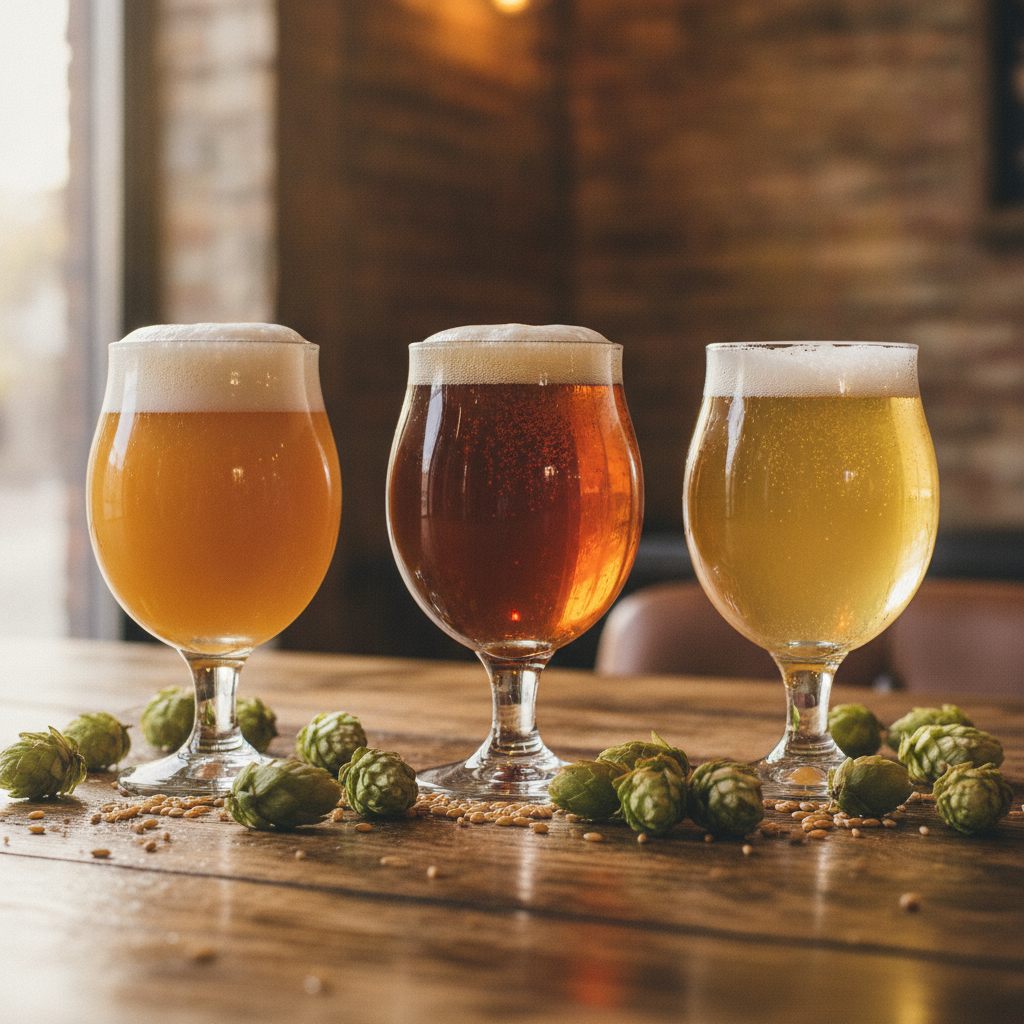
For the best part of a decade, the IPA conversation went in one direction only: hazier, softer, juicier and stronger. The New England style, with its cloudy glass and pillowy tropical fruit, became the default that every taproom felt obliged to pour. In 2026, though, the IPA is pulling apart into two quietly rebellious directions at once. Bitterness is making a comeback, and alcohol strength is coming down. The new IPA is drier, sharper and often lighter on its feet, and it is one of the most interesting things happening in beer right now. If you have not tasted an IPA in a couple of years, it is worth revisiting, because the style you remember may have moved on without you.
The great re-balancing: why IPA is changing direction
The shift did not come from nowhere. A whole generation of drinkers first fell in love with craft beer through the hazy IPA, and many are now, in the industry's phrase, "graduating" towards more complex, more bracing flavours, part of the same maturing palate that helps explain why stout is booming right now. At the same time, the wider mood has changed. Persistent economic pressure, a renewed appetite for genuinely sociable sessions and a maturing palate have all nudged drinkers towards beers that reward a second and third pint rather than flattening it.
Brewers have noticed. The clearest signal came at the 2026 World Beer Cup, where the West Coast IPA was the single most competitive category, with just under 300 entries, overtaking the hazy styles that had dominated recent years. Call it the "great re-balancing": less about chasing extremes, more about drinkability, balance and value. Haze is not dead, but it is no longer the only game in town, and the menus that once read as a wall of juicy doubles are now making room for something crisper.
The return of bitterness: the West Coast IPA revival
The most visible part of this story is the comeback of the classic West Coast IPA. This is the style that built the reputation of American craft beer in the first place: crystal clear, deeply bitter, and bursting with pine, grapefruit and resinous citrus. Where the hazy IPA muffles its hops in a soft, sweet, almost milkshake-like body, the West Coast version strips all of that away. The malt steps back, the beer finishes dry, and the hops are left exposed and bracing.
For a while, that assertive bitterness fell out of fashion. Now it feels fresh again, partly because so many drinkers spent years on the soft stuff and are ready for contrast. A good modern West Coast IPA is not the palate-stripping bitterness bomb of 2012, either. Brewers have learned a great deal about hop aroma in the intervening decade, so today's versions tend to marry that firm bitter backbone with brighter, more expressive tropical and citrus notes. It is bitterness with better manners: still uncompromising, but far more drinkable than the old arms race of ever-higher bitterness units.
Lower ABV, more flavour: the rise of the session IPA
The second direction is quieter but arguably more significant for everyday drinking. IPA strength is coming down. Where a flagship IPA once sat comfortably at 6.5 or 7 per cent, a growing share of the most interesting beers now land around 4 to 5 per cent. Session IPAs, session hazy pale ales and their many cousins are thriving precisely because they let you enjoy the hop character without the heavy, sweet, boozy finish that makes a second pint hard work. At the very lightest end of the same spectrum sit lower-strength and alcohol-free beers, now one of craft beer's fastest-growing categories.
This is trickier to brew than it sounds. Strip out the alcohol and the malt sweetness and you strip out a lot of the body that carries hop flavour, so a thin, watery result is the constant risk. The brewers doing it well use clever hopping and careful recipe design to keep the aroma loud while the strength stays modest. The pay-off for drinkers is considerable. Some of the reasons a lower-ABV IPA makes sense in 2026 include:
- Longer sessions. You can spend an afternoon in the pub and still walk home clear-headed.
- More flavour per unit. Modern hopping means a 4.5 per cent IPA can taste every bit as vivid as a strong one.
- Better with food. A lighter, drier IPA cuts through rich dishes without overwhelming them.
- Kinder the next day. Lower strength generally means a gentler morning after.
- Genuine choice. You no longer have to pick between a bland lager and a heavyweight double IPA.
What exactly is a cold IPA?
One style sits neatly at the crossroads of both trends, and you will see it on more boards this year: the cold IPA. Despite the name, it is not simply an IPA served cold. It is a brewing technique rather than a temperature. Where almost every other IPA is fermented with ale yeast, a cold IPA is fermented with lager yeast, but warmed up to ale-like temperatures rather than the cool conditions lager yeast usually likes.
The result is the best of several worlds. The lager yeast ferments cleanly and thoroughly, drying the beer out to a low final gravity and giving it a crisp, snappy, almost lager-like finish that nods to the rise of craft lager, while the warmer fermentation keeps it from developing the sulphury, sluggish character of a true lager. On top of that clean base, brewers pile in bright, aromatic West Coast-style hops. You get the hop-forward punch of an IPA with a finish that is cleaner and more refreshing than a typical ale, which is exactly why the style has caught on with drinkers who want assertive hops without heaviness. If you have ever wondered where the line falls between ale and lager, the cold IPA cheerfully blurs it — a beer you can taste side by side to work out the difference for yourself.
Mindful drinking, without the compromise
Underneath all of this sits a bigger cultural shift. Drinkers, especially younger ones, are increasingly mindful about how much they drink. That does not necessarily mean drinking nothing; more often it means drinking better and drinking a little less. A lower-strength, full-flavoured IPA fits that mood perfectly. It scratches the craft-beer itch, delivers plenty of hop character, and lets you stay sharp enough to enjoy the company you are with.
This is why the two directions of the new IPA are not really in conflict. Bitterness and lower ABV are both answers to the same question: how do you make a beer that people actually want to keep drinking? A dry, bitter, sessionable IPA is the natural meeting point. It is flavourful enough to hold your attention and light enough to have another, which is precisely the balance a maturing beer scene has been reaching for.
How to taste the new IPA
If you want to get to grips with where IPA is heading, put a few styles side by side and pay attention to how they finish. Pour a juicy hazy, a crisp West Coast and a session or cold IPA together. Notice how the hazy is soft and sweet on the finish, while the West Coast turns dry and bitter, and the cold IPA lands somewhere clean and snappy in between. Focus less on the aroma, which can be gorgeous across all three, and more on that final swallow. That is where the real differences live, and where the shift towards balance shows itself most clearly.
The takeaway for 2026 is simple. The IPA is not fading; it is maturing. After years of chasing haze and strength, the style is rediscovering bitterness and rediscovering restraint, sometimes in the very same glass. Whether you are a devoted hophead craving a proper bitter West Coast or someone who simply wants a flavour-packed pint that does not floor you by the third round, there has rarely been a better time to order an IPA and see how far it has come.