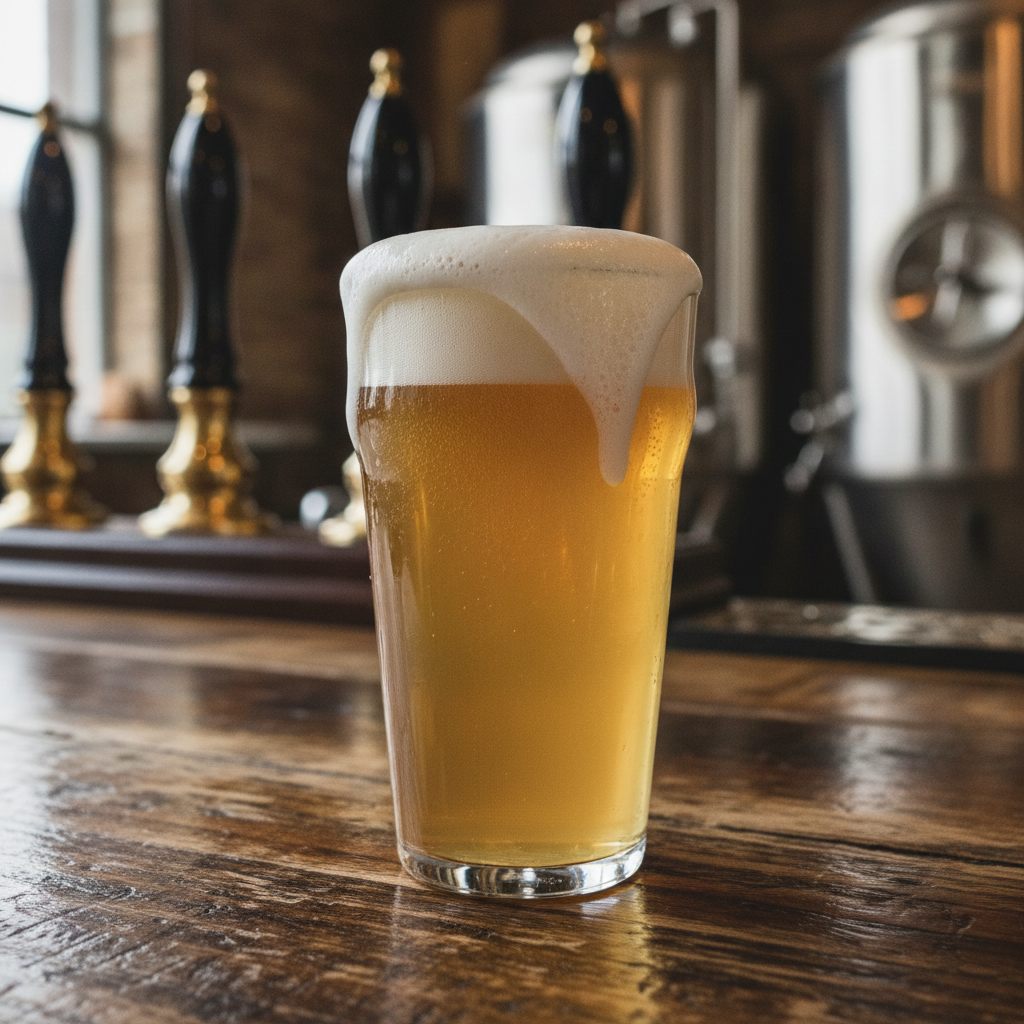
Order a pint with no alcohol in it a decade ago and you would probably have been handed something apologetic: a thin, sweetish lager that tasted like it had given up before it started. Fast forward to 2026 and the picture could not be more different. Alcohol-free craft beer has become one of the fastest-growing pints in the country, and for a growing number of drinkers it is no longer the reluctant fallback but a genuine first choice. Whether you are driving, taking a night off, or simply pacing yourself, the no- and low-alcohol shelf is now one of the most exciting corners of British beer.
This is not a passing fad. It reflects a real, lasting shift in how the UK drinks, and it has been powered by a quiet revolution in brewing technology. Here is what is behind the boom, who is making the beer worth seeking out, and how to get the most from it.
Why alcohol-free beer is booming in the UK
The headline is simple: more of us are moderating. Rather than swearing off drinking altogether, plenty of people are looking to drink a little less, a little more thoughtfully, without missing out on the social ritual of a good beer in hand. This "mindful drinking" movement has moved from the fringes to the mainstream, and alcohol-free beer sits right at its heart.
The numbers tell the story. No- and low-alcohol beer is one of the fastest-growing categories in the entire drinks industry, with sales climbing at a double-digit pace and supermarkets, pubs and breweries all expanding their ranges to keep up. What was once a token single option gathering dust at the end of the fridge is now a whole section, and in many pubs a proper draught line.
Crucially, this is not about rejecting alcohol so much as building a better balance into everyday life. Some people alternate an alcohol-free pint with a full-strength one to stay fresher for longer. Others reach for a 0.0 on a school night, before an early start, or simply because they fancy the taste of beer without the fuzzy head the next morning. The appeal cuts across generations, though younger drinkers in particular treat a low-ABV choice as entirely normal rather than something to explain.
How brewers finally made it taste good
For years the honest problem with alcohol-free beer was that it tasted, well, alcohol-free. Alcohol carries flavour, adds body and balances bitterness, so stripping it out tended to leave beer feeling hollow. The reason the category has taken off is that brewers have largely solved this, and the improvement in the last few years has been remarkable.
There are two broad approaches, and the best breweries have become expert at both:
- Removing the alcohol after brewing. The beer is made more or less normally, then the alcohol is gently taken out, often using low-temperature vacuum distillation or fine filtration that protects the delicate aromas. Guinness 0.0, for example, is brewed with the same core ingredients as the original and then cold-filtered to remove the alcohol, which is how it keeps that smooth, creamy texture and the familiar notes of coffee, chocolate and roasted barley.
- Brewing so little alcohol is made in the first place. By using specialist yeasts that produce very little alcohol, or by carefully controlling the fermentation, brewers can land naturally at around 0.5% while keeping the beer's body and character intact.
Layered on top of these methods is a much better understanding of hop chemistry, yeast selection and flavour mapping, letting brewers rebuild the aromatic punch and mouthfeel that alcohol used to provide. The result is alcohol-free beer that genuinely mimics the sensory experience of the full-strength original, rather than hinting at it from a distance.
It is also worth clearing up the labelling, because the terms get used loosely:
- Alcohol-free in the UK generally means 0.05% ABV or less.
- De-alcoholised covers beers up to 0.5%.
- Low-alcohol typically means 1.2% or below.
That 0.5% figure crops up everywhere for good reason. It is low enough to be a sensible everyday choice, yet it gives brewers just enough room to hold on to flavour, which is why so many craft breweries have settled on it as their standard.
The brands leading the charge
The category now has genuine stars, and tasting your way through them is half the fun. A few names have done the heavy lifting in convincing sceptics that alcohol-free can be excellent.
- Lucky Saint helped change the conversation with its 0.5% unfiltered lager, a beer designed from the ground up to be good in its own right rather than a compromise. Its success, and its own pub in London, signalled that this was a serious category.
- Guinness 0.0 brought the nation's most famous stout to the alcohol-free world, and its arrival on draught in pubs and at chains like Wetherspoons did an enormous amount to normalise ordering a 0.0 at the bar.
- The craft breweries have followed enthusiastically. Most now offer a 0.5% version of their flagship, whether that is a crisp lager, a tropical, hazy pale ale bursting with modern hops in the mould of today's lower-ABV IPAs, or a rich, roasty stout. The variety on offer today would have been unthinkable a few years ago.
The through-line is quality. This is no longer a niche of bland lagers but a flavour-forward segment where brewers are investing real craft and innovation, and where the beer is chosen because it tastes good, not merely because it happens to be alcohol-free.
Does alcohol-free beer belong on a brewery tour?
Absolutely, and it is one of the questions we are asked most often. Some people worry that a brewery tour is off-limits if they are not drinking, but that misses what makes these days out so rewarding. A great tour is about the craft: the raw ingredients, the smell of the mash, the copper and steel, and the people who obsess over every batch. The tasting is a highlight, of course, but it is far from the whole picture.
Many breweries now pour their own alcohol-free options alongside the full-strength range, so you can taste and compare without missing out. Because the science of de-alcoholising and low-alcohol fermentation is such a hot topic, brewers often love talking through exactly how they make theirs, which adds a genuinely interesting dimension to the visit. If you are the designated driver, expecting, taking a break from booze, or just pacing yourself, you can still get everything out of the experience. It is one of the reasons our brewery tours are so welcoming to mixed groups where not everyone is drinking the same thing.
How to get the best from alcohol-free beer
A little know-how goes a long way. These beers reward the same care you would give any good pint.
- Serve it properly chilled and freshly opened. Alcohol-free beers can taste flat or dull if they are warm or have been hanging around, so treat them like the fresh product they are.
- Match the style to the moment. A zesty lager or hoppy pale ale is brilliant with food or on a warm afternoon; a 0.0 stout is a comforting choice on a cold evening.
- Pour into a glass. Just as with full-strength beer, releasing the aroma makes an enormous difference to how much you enjoy it.
- Give a few brands a go. Quality varies, and finding the ones you love is part of the adventure. If one brewery's version does not win you over, another might.
- Check the ABV if it matters to you. If you want a true zero, look for 0.0 or "alcohol-free"; if a trace is fine, the 0.5% de-alcoholised beers often carry more flavour.
A permanent fixture, not a fad
The rise of alcohol-free craft beer is the clearest sign yet that British drinking culture is broadening rather than shrinking. People are not necessarily drinking nothing; they are drinking better, and giving themselves more choice about when and how much. With the technology improving every year and breweries pouring real creativity into their no- and low-alcohol ranges, the quality is only heading one way.
So next time you fancy the taste of a proper beer without the alcohol, order with confidence. The category has earned its place at the bar, and the best of it stands shoulder to shoulder with anything full-strength. It really is the UK's fastest-growing pint, and once you have tasted how far it has come, it is easy to see why.